
But how do you know?
Looking at planetary rulerships of herbs

A common question students ask, is how do you know which herbs are ruled by which planets, and in some cases which signs?
Culpeper explains that both the physical appearance of the planet, its habitat and its virtues give hints as to which planet and sign they may be associated with.
‘Wormwood is an herb of Mars…What delights in martial places, is a martial herb; but Wormwood delights in martial places (for about forges and iron works you may gather a cart-load of it,) ergo, it is a martial herb.’
Mars governs iron and weapons and tools.
Of Henbane which Culpeper gives to Saturn, he writes,
‘I wonder how astrologers could take on them to make this an herb of Jupiter; and yet Mizaldus, a man of a penetrating brain, was of that opinion as well as the rest; the herb is indeed under the dominion of Saturn, and I prove it by this argument: All the herbs which delight most to grow in saturnine places, are saturnine herbs. Both Henbane delights most to grow in saturnine places, and whole cart loads of it may be found near the places where they empty the common Jakes [latrines], and scarce a ditch to be found without it growing by it. Ergo, it is an herb of Saturn’
Saturn governs waste water.
The nature of the herb gave clues as to its virtues. For example, Culpeper shows how Nettle, an early growing herb, counters the sicknesses associated with that season, late winter.
‘This is also a herb Mars claims dominion over. You know Mars is hot and dry, and you know as well that Winter is cold and moist; then you may know as well the reason why Nettle-tops eaten in the Spring consume the phlegmatic superfluities in the body of man, that the coldness and moistness of Winter hath left behind.’
Of Saturnian herbs Culpeper says they are,
‘ill-shaped, ill-smelling, binding taste [astringent] lean, in filthy, woody, solitary dark places.’
This accurately describes the place mushrooms are found, all are plants of Saturn, some are deadly.
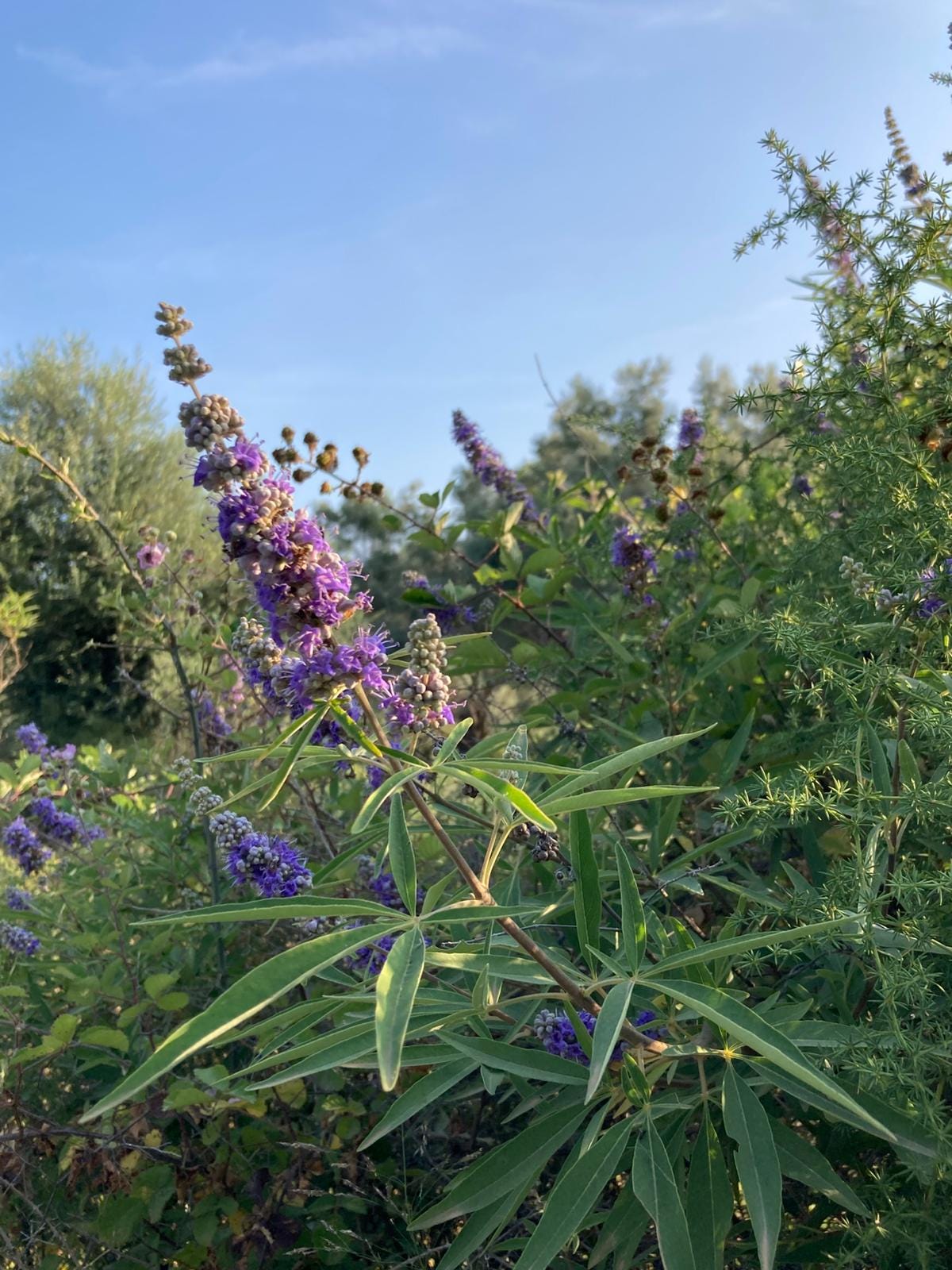
Writing of herbs of Jupiter Culpeper says, ‘they have a good taste and smell, are often reddish or sky coloured and may produce oil.’
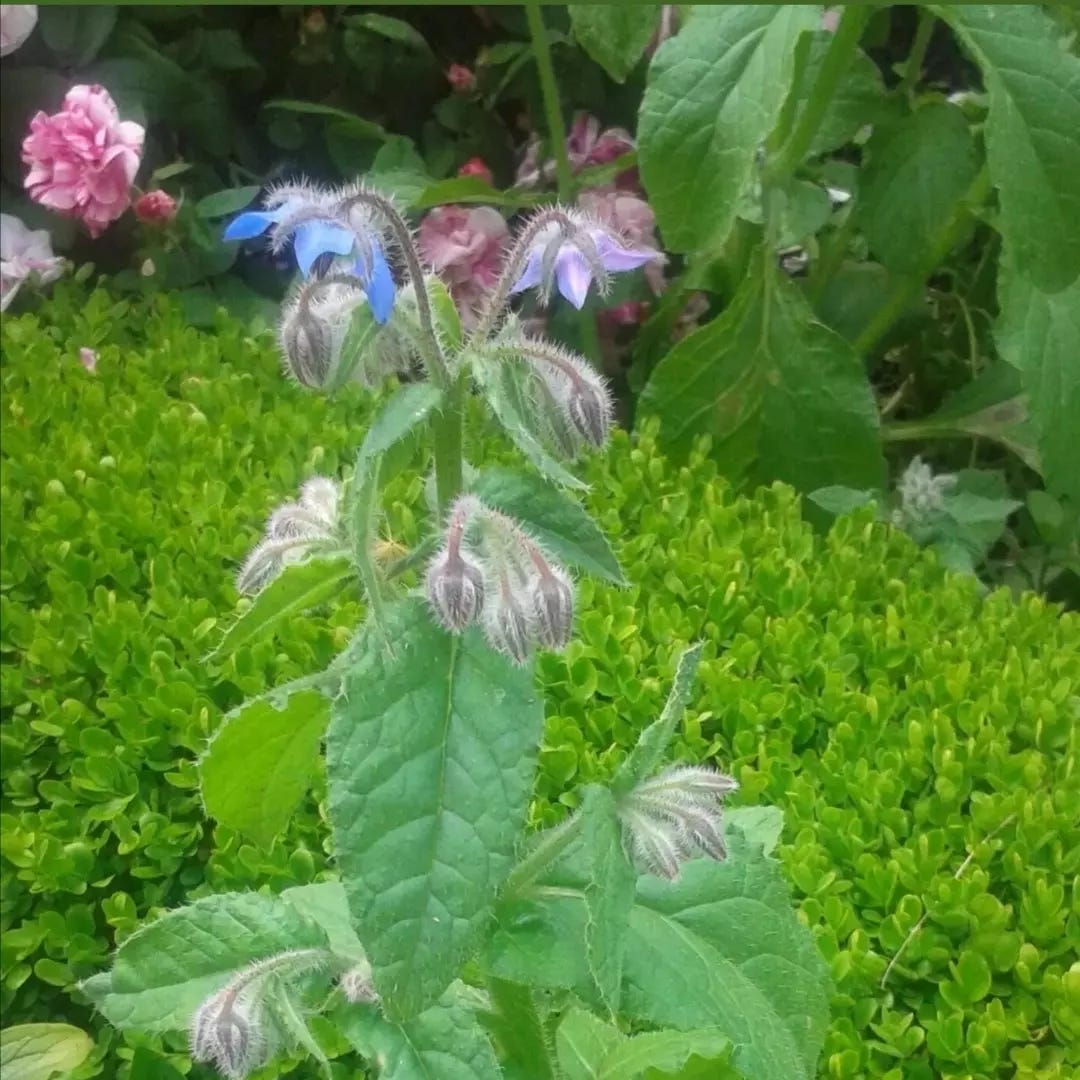
Of herbs of Mars, he says they are often, ‘rough, prickly, reddish, burning, bitter taste, grow in dry places.’
Sun herbs are, ‘yellow or reddish, a pleasant smell and taste, they love light and direct sunlight.’
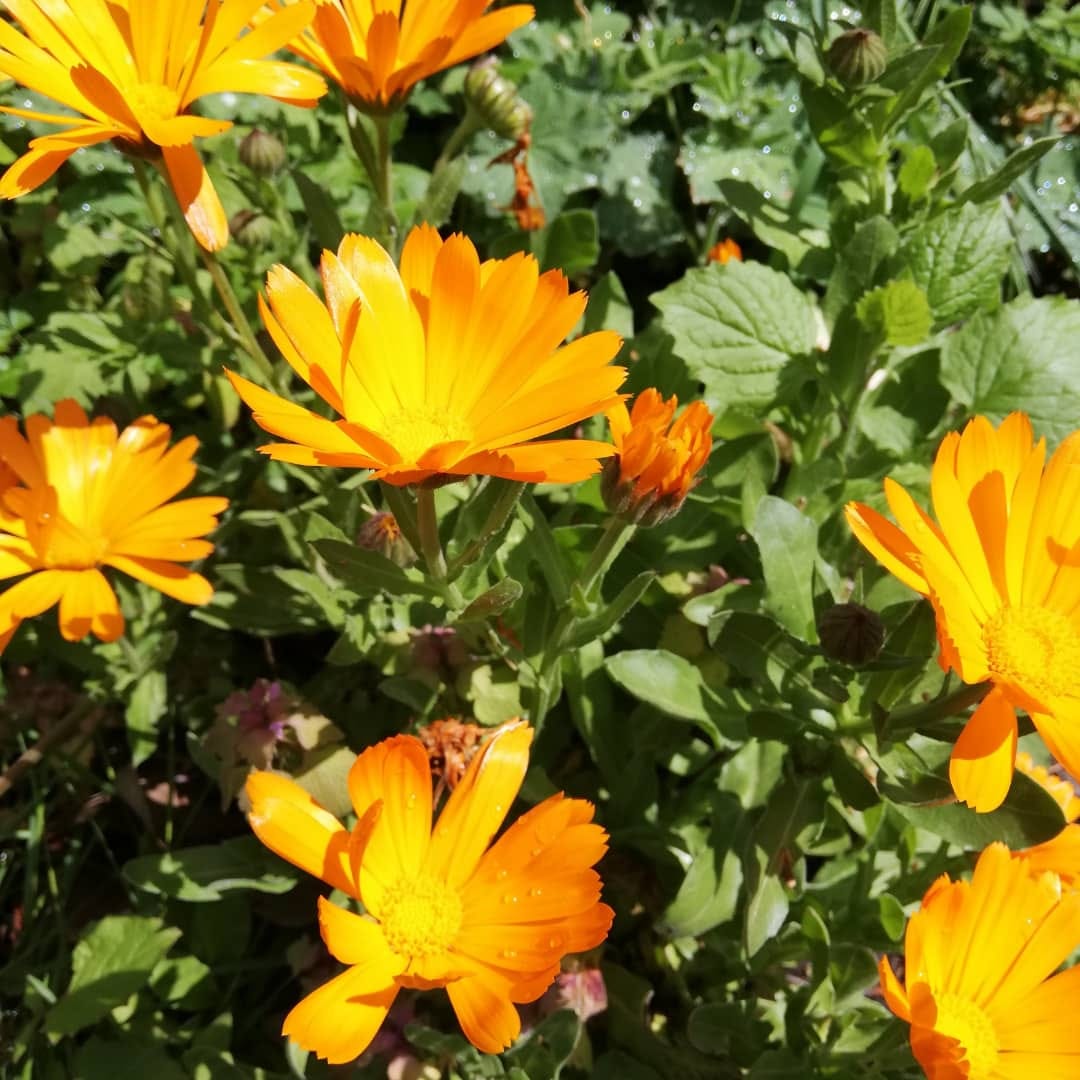
The plant colour may show their planetary rulers, herbs of the sun are often yellow and orange. For example, chamomile. Saffron and St John’ Wort. These are all uplifting and mood elevating which are solar qualities.
While Venus, ‘shows pretty, aromatic plants, pleasant appearance, sweet smell.’
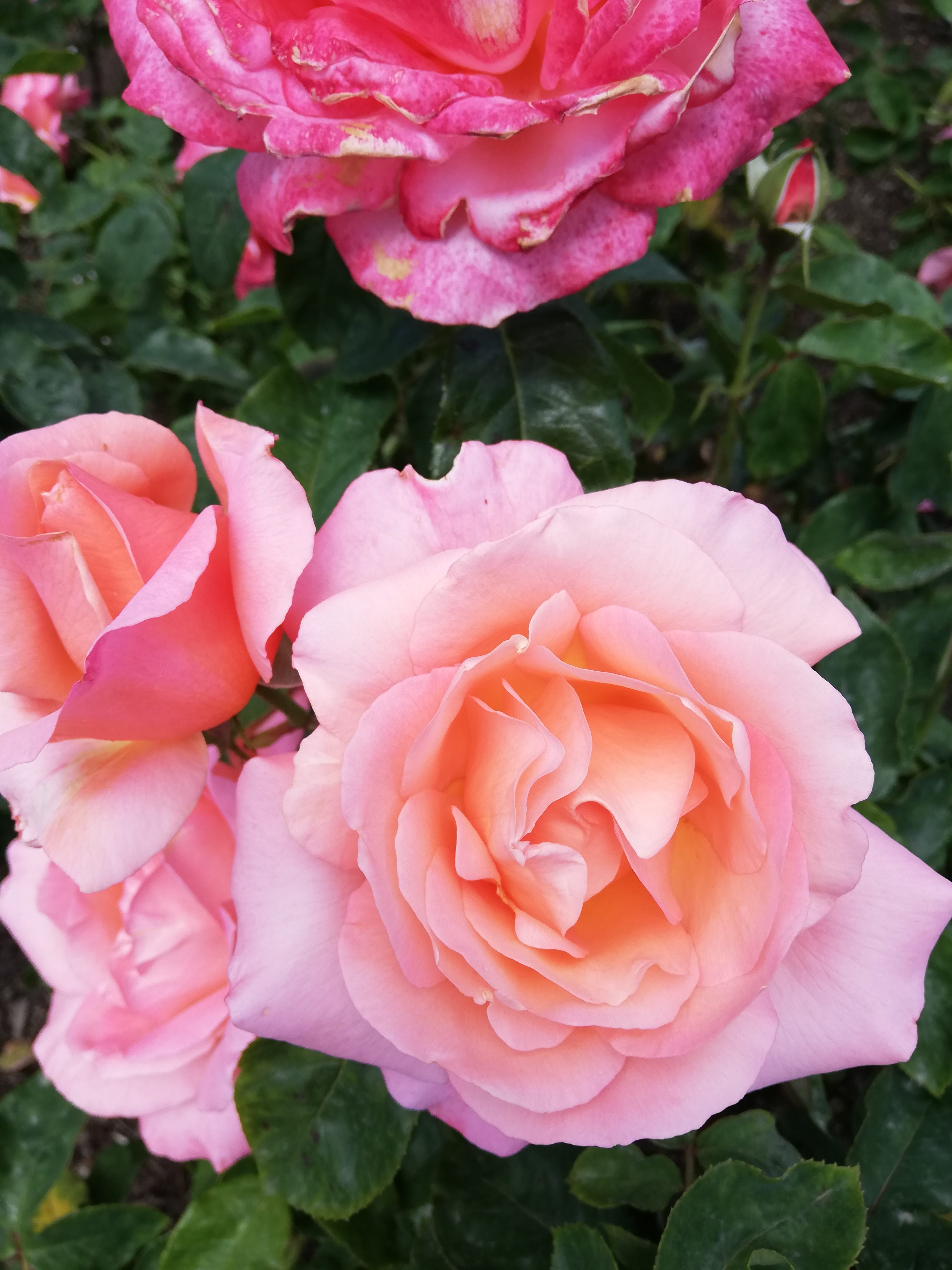
Mercury herbs, he writes are, ‘Codded [with pouches and sacs], multicoloured, growing on sandy soil [arenary].
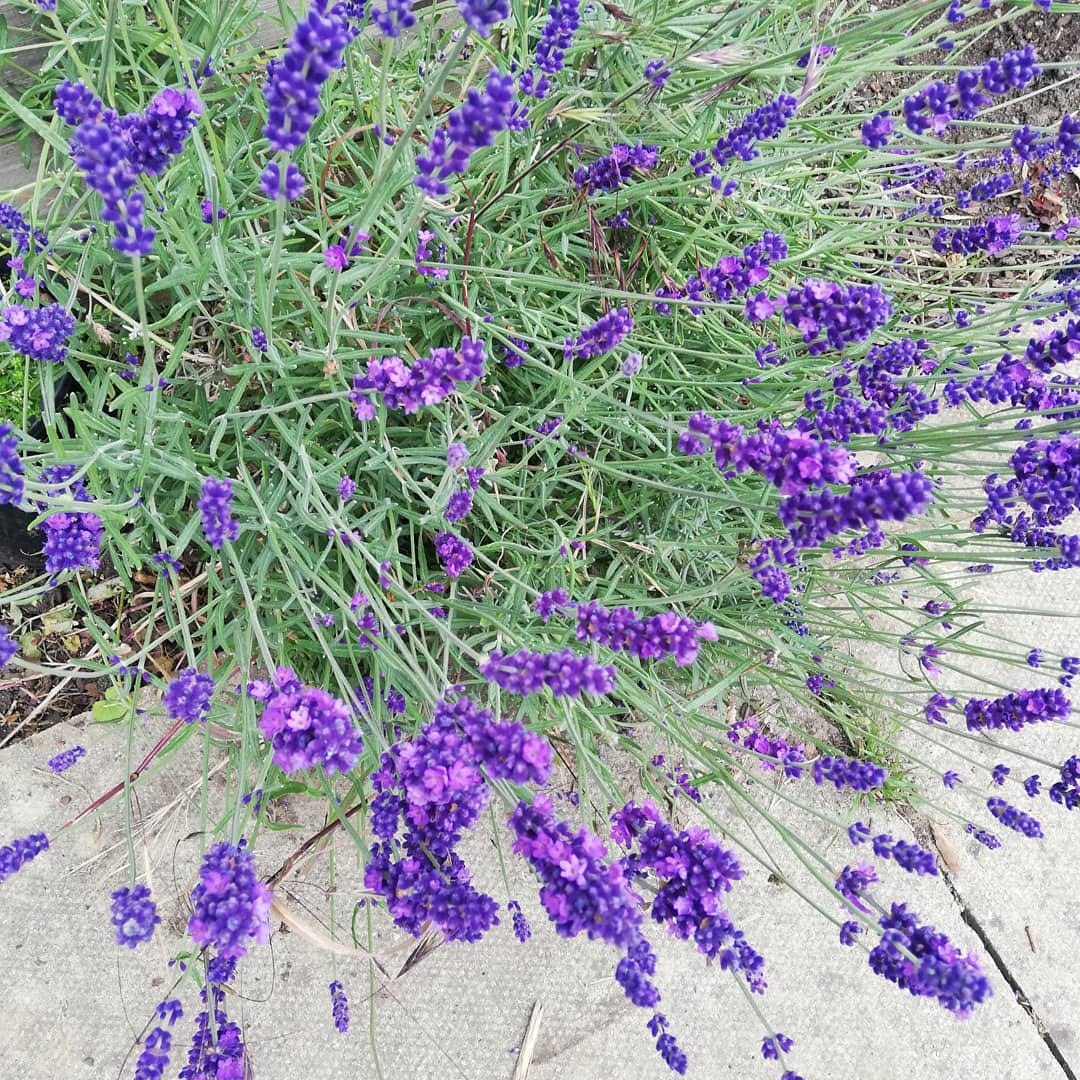
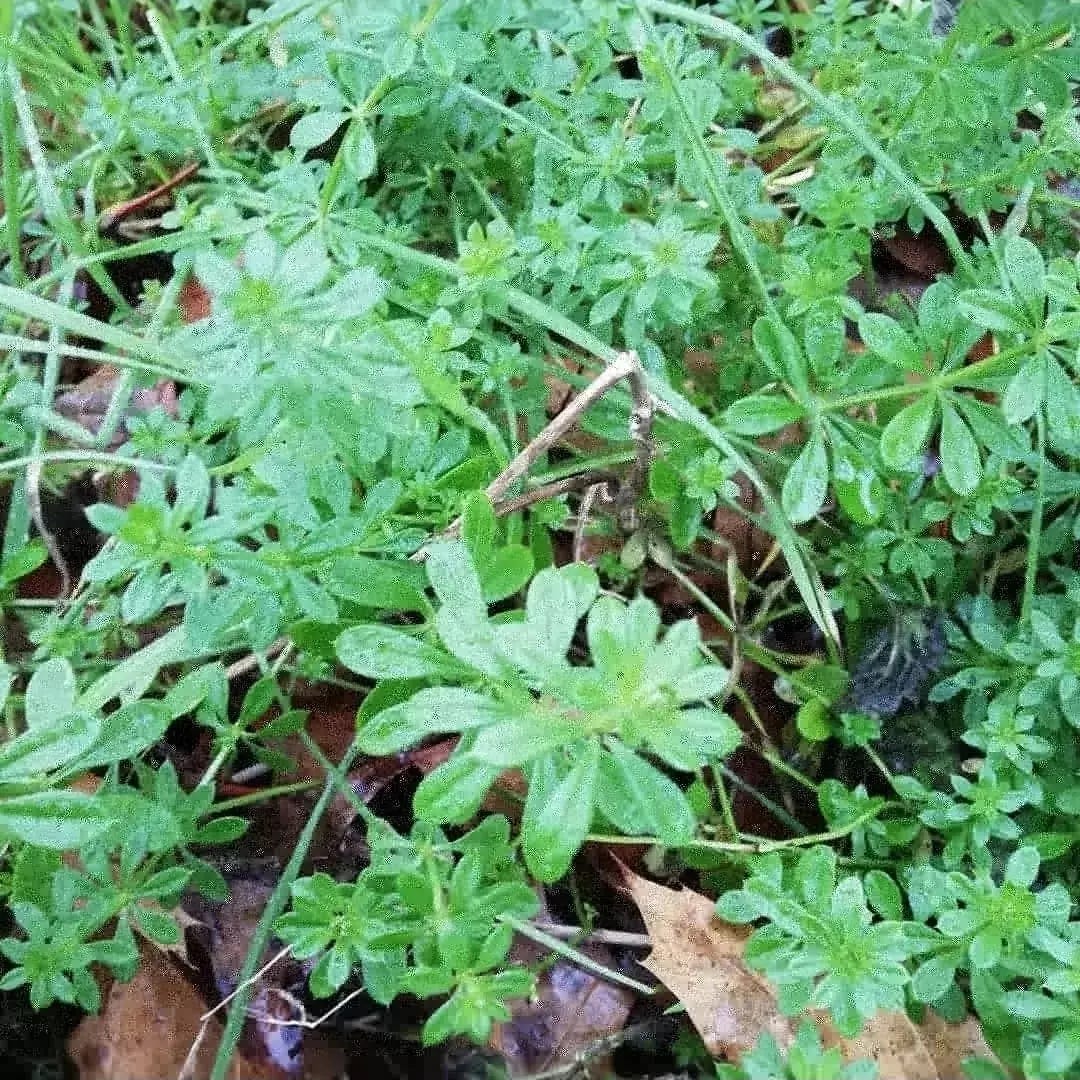
Herbs of the Moon have, ‘Juicy, thick leaved plants, waterish or growing near water, growing in late winter, early spring, fast growing, damp places, sweet tasting.’
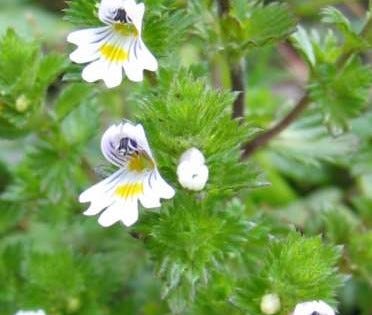
While their physical appearance might give clues to their use. Like Eyebright.
Soft, fury leaves can show demulcent remedies like Mullein and Marshmallow, ruled by Saturn and Venus respectively. The scent might also gives clues as to their usage, if not the planet they are ruled by. Melissa has a soothing, uplifting, smell (Jupiter) while Mint is cleansing and invigorating (Venus) and Rose is comforting and peaceful (Venus).
Their actions can also show planetary rulership. Drying herbs like, Shepherd’s purse, Witch Hazel and Horsetail are all herbs of Saturn which is cold and dry. Heating, spicy herbs like Ginger, Chili, onion and Nettle are herbs of Mars which is hot and dry. Uplifting herbs like Meadowsweet and Melissa are herbs of Jupiter, the planet of joy. While dreaming herbs like Mugwort and Poppy are ruled by sleepy Venus and the Moon.
We can also look at the way the herb acts on the body. Culpeper says of Holy Thistle
‘It is a herb of Mars and under the sign of Aries…it helps swimmings and giddiness of the head the disease of vertigo, because Aries is in the house of Mars. It is an excellent remedy against yellow jaundice and other infirmities of the gall because Mars governs choler. It strengthens the attractive faculty in man and and clarifies the blood because the one is ruled by Mars. The continual drinking of the decoction of it helps red faces, tetters and ringworms, because Mars causeth them. It helps plague sores, boils and itch, the bitings of mad dogs and venemous beasts, all of which infirmities are under Mars. Thus you see what it does under sympathy.
By antipathy to other planets, it cures the French pox, by antipathy to Venus who governs it. It strengthens the memory and cures deafness by antipathy to Saturn who hath his fall in Aries which rules the head. It cures quartan agues and other diseases of melancholy and adust choler by sympathy to Saturn. Mars being exalted in Capricorn. Also it provokes urine, the stopping of which is usually caused by Mars or the Moon.
Of Dog’s Mercury Culpeper says,
‘Mercury, they say, owns the herb, but I rather think it is Venus’s, and I am partly confident of it too, for I never heard that Mercury ever minded women’s business so much: I believe he minds his study more. The decoction of the leaves of Mercury, or the juice thereof in broth, or drank with a little sugar put to it, purges choleric and waterish humours. Hippocrates commended it wonderfully for women’s diseases, and applied to the secret parts, to ease the pains of the mother; and used the decoction of it, both to procure women’s courses, and to expel the after-birth.’
of Plantain, he writes,
Misaldus and others, yea, almost all astrology-physicians, hold this to be an herb of Mars, because it cures the diseases of the head and privies, which are under the houses of Mars, Aries, and Scorpio: The truth is, it is under the command of Venus, and cures the head by antipathy to Mars, and the privies by sympathy to Venus; neither is there hardly a martial disease but it cures.
As can be seen, there is some indication from the habitat, appearance, scent, taste, colour and taste of a herb. However, nothing beats clinical experience and an intimate knowledge of the herbs you use in your practice.


Fascinating post and love this: "there is some indication from the habitat, appearance, scent, taste, colour and taste of a herb. However, nothing beats clinical experience and an intimate knowledge of the herbs you use in your practice." that combination of really seeing the plants and then knowing them deeply.